
Who hasn’t struggled with disordered eating? American culture foments it with our advertisements about food and sex and food and fitness and food and thinness/obesity.
How does disordered eating feed into wellness this month? And how do our library workplaces create cultures of wellness for those with food trauma?
Food trauma occurs with specific types of food and usually stem from an event someone experienced that causes them to feel anxious, insecure, and possibly surveilled when eating.
Someone with a high ACEs score may be more likely to experience anorexia nervosa, bulimia nervosa, to being eating disorder. Caitlin Beale describes several types of food trauma:
- restriction or deprivation
- food insecurity
- forced eating
- sensory trauma
- misunderstanding of neurodivergent behavior
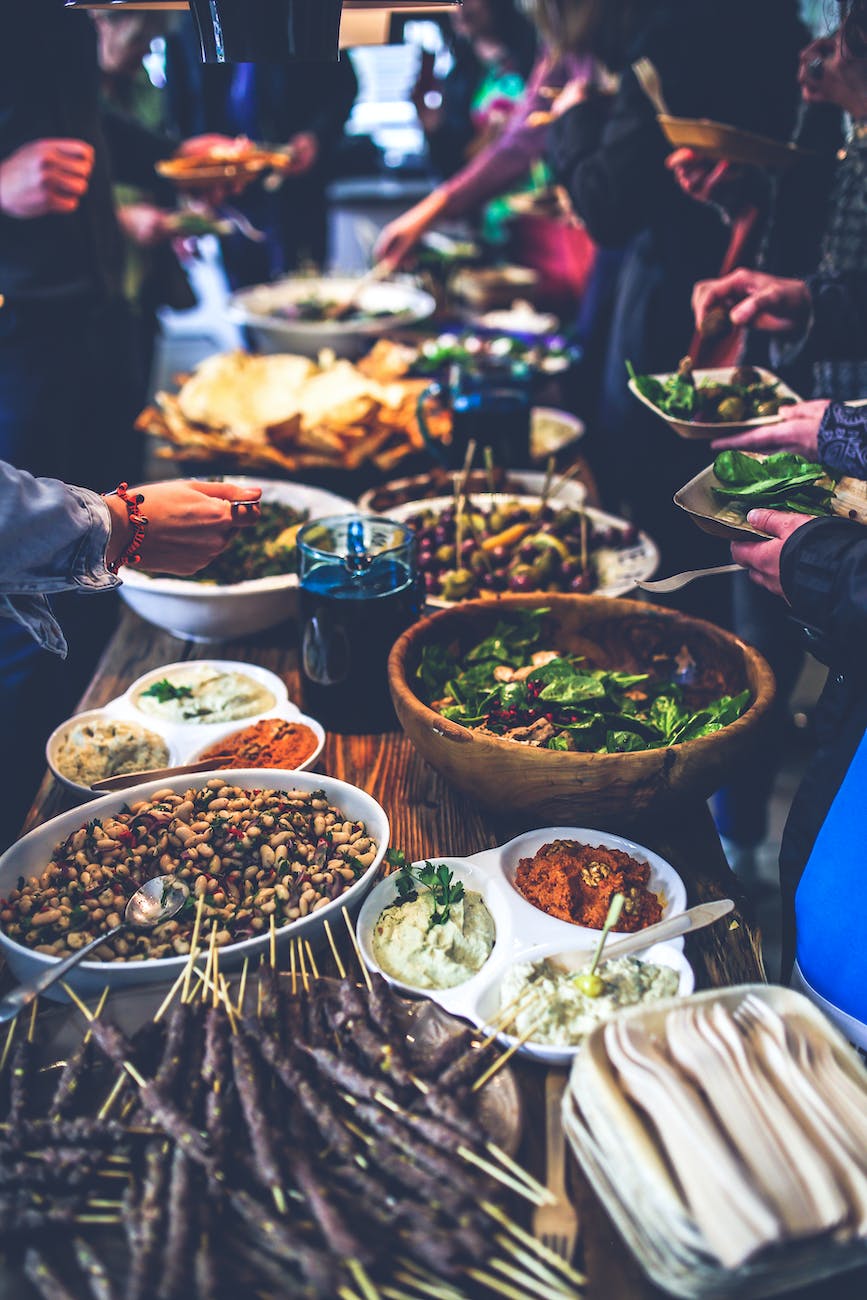
It’s very easy for those with disordered eating to be misunderstood. When we avoid parties, potlucks, or receptions, or situations wherein food is present, our absence may be noted. Absences around team eating and socialization can be perceived poorly by supervisors. They may request that you be more “present” and appear at team-building events. And unless we disclose about our disordered eating and why workplace events with food may unsettle us, our absences could be counted against us or viewed as our not participating in team events. Or that “so and so” is a curmudgeon and doesn’t like to socialize with everyone else. When, in fact, the food may be the issue, not the emotional labor socialization entails.

Certainly many people are aware of how loaded that baked potato may be. Our greater awareness about dietary differences and how we accommodate gluten-free, vegan, vegetarian, pescatarian, etc. preferences is essential in promoting inclusion and belonging in our library workspaces.
Creating an affinity group in which library workers with disordered eating can support one another, and share and crowdsource strategies and tactics for dealing with this issue in the workplace is one idea. Convening a monthly trauma-informed/responsive book/information group with library workers may be another idea for stimulating conversations about food-related experiences.
This is one area in which trauma informed/responsive leadership can raise awareness of food trauma in the workplace, discuss this sensitive issue, take an environmental scan of food issues affecting their specific demographics, and model thoughtfulness in this domain.
Somewhat unrelated food for thought: public library workers are involved with summer feeding programs in their communities, which seems like another example of job creep, of library workers being all things to all members of their communities. More and more, library workers are expected to fill all the gaps that our social infrastructure is failing.

 Rebecca Tolley