Understandably, there’s resistance to coloring everyone with the same trauma brush. It’s likely that many people don’t intentionally embody the victim identity, or acknowledge it, either. So they don’t want to be treated “as if.” “As if they’re lifelong victims. Viewing everyone as victims, especially if they’re an historically marginalized person, is paternalistic.
In spite of that, my feeling is that once we realize everyone experiences some level of trauma, that we all suffer, that commonality creates a bridge between “us” and “them” or “us” and “the other” who are always easy to dismiss or oppress or insert any word here that works.
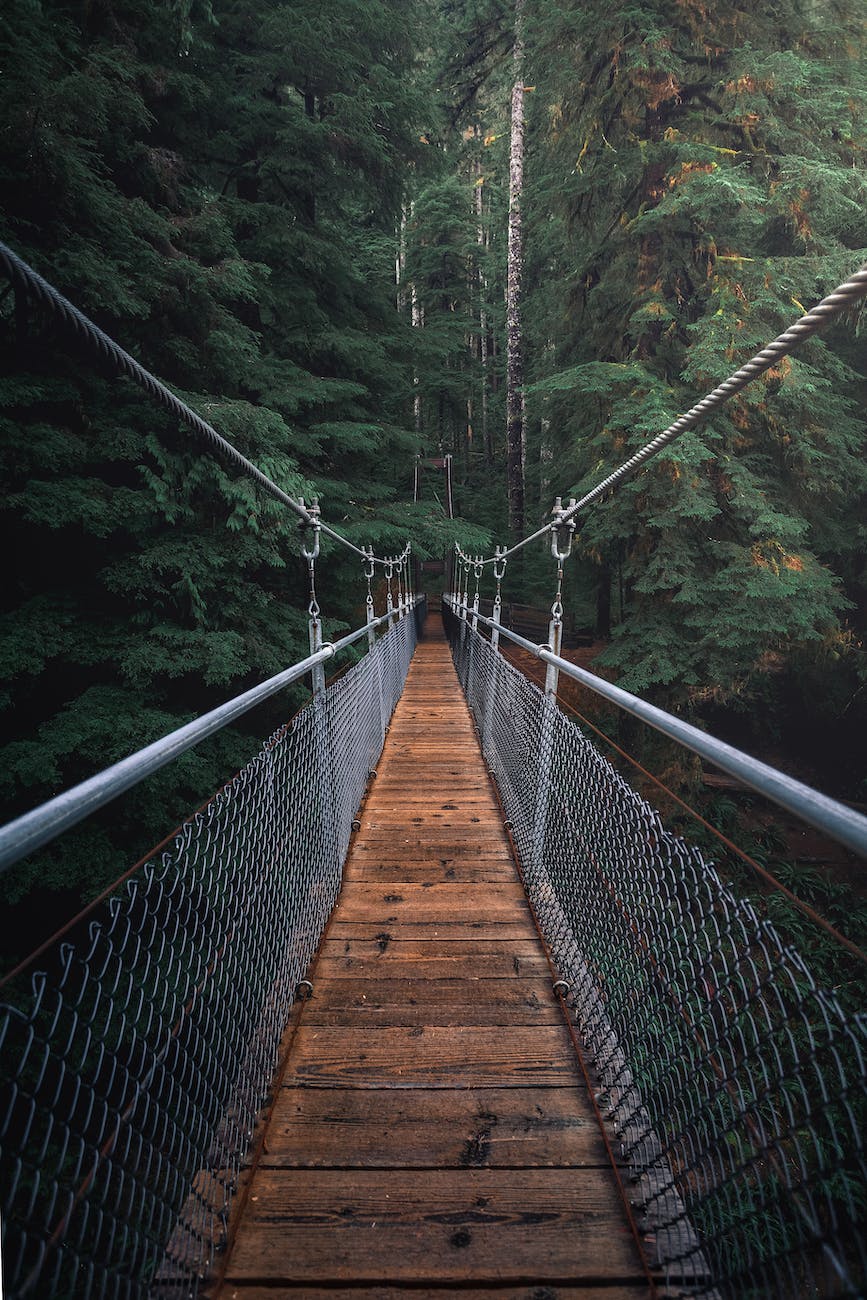
We have a bridge and that bridge builds empathy and when we operate from a place of empathy and kindness and if not real, but simulated “understanding”, that change in intention and change in approach/philosophy in US is felt by those with whom we interact, support, etc. It is authentic. We connect with others in genuine ways, not in prescribed transactional modes inflected with our emotional labor.
This week I’ve pondered about generational/historical trauma. Mostly when I think about it, I consider the effects of colonization on Indigenous people, the effects of enslavement on the enslaved, and the effects of war, genocide, violence upon those most dispossessed by those events. Or the trauma of being an 18th century seaman on The Wager, or exploring the North American continent as part of the Corps of Discovery Expedition.
For the most part, I consider trauma in the present sense, like how 9/11 affected everyone, how the COVID pandemic affected everyone, and how the continued, systemic lynching of Black people affected everyone.
But historically, growing up in the 1970s and 1980s, my every-present fear was of nuclear war. My child has ever-present fear of gunmen coming into their school and shooting/killing everyone.
Each generation has their own collective trauma to bear. As a parent though, I, too feel the fear and unease everyday that my child enters the public school building.
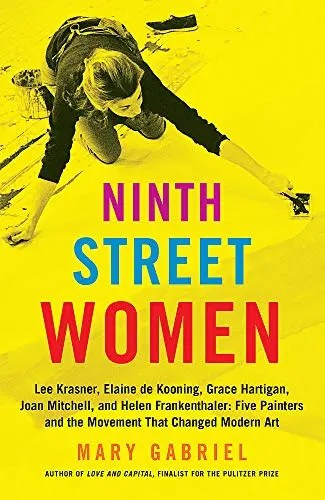
This week I’m reading Ninth Street Women, about abstract expressionist artists working in mid-century United States. Mary Gabriel peppers her prose with trauma. I’m so far away/apart from both the Silent generation and the Greatest generation (which my sets of grandparents belonged to, and which the book deals with), that my knowledge of their generational trauma was nil.
By reading about art I’ve discovered amazing contextual information about mid twentieth century that I never knew. World War 1 and the Great Depression and World War 2 and the bombs dropped on Hiroshima and Nagasaki and the years of terror during the McCarthy years all affected those generations. I don’t think they spoke about how those events affected them. Perhaps they wrote about them. They definitely painted through their trauma. And they sure as heck drank their fears and anxiety away.
Gaining the historical knowledge that trauma and how it’s expressed and felt in our culture/society is constant, but the source changes, makes me feel some kind of way. I’m struggling to pinpoint what that feeling is, though. Definitely more empathetic towards earlier generations for whom I feel great ambivalence because their legacies we inherited are so fraught.
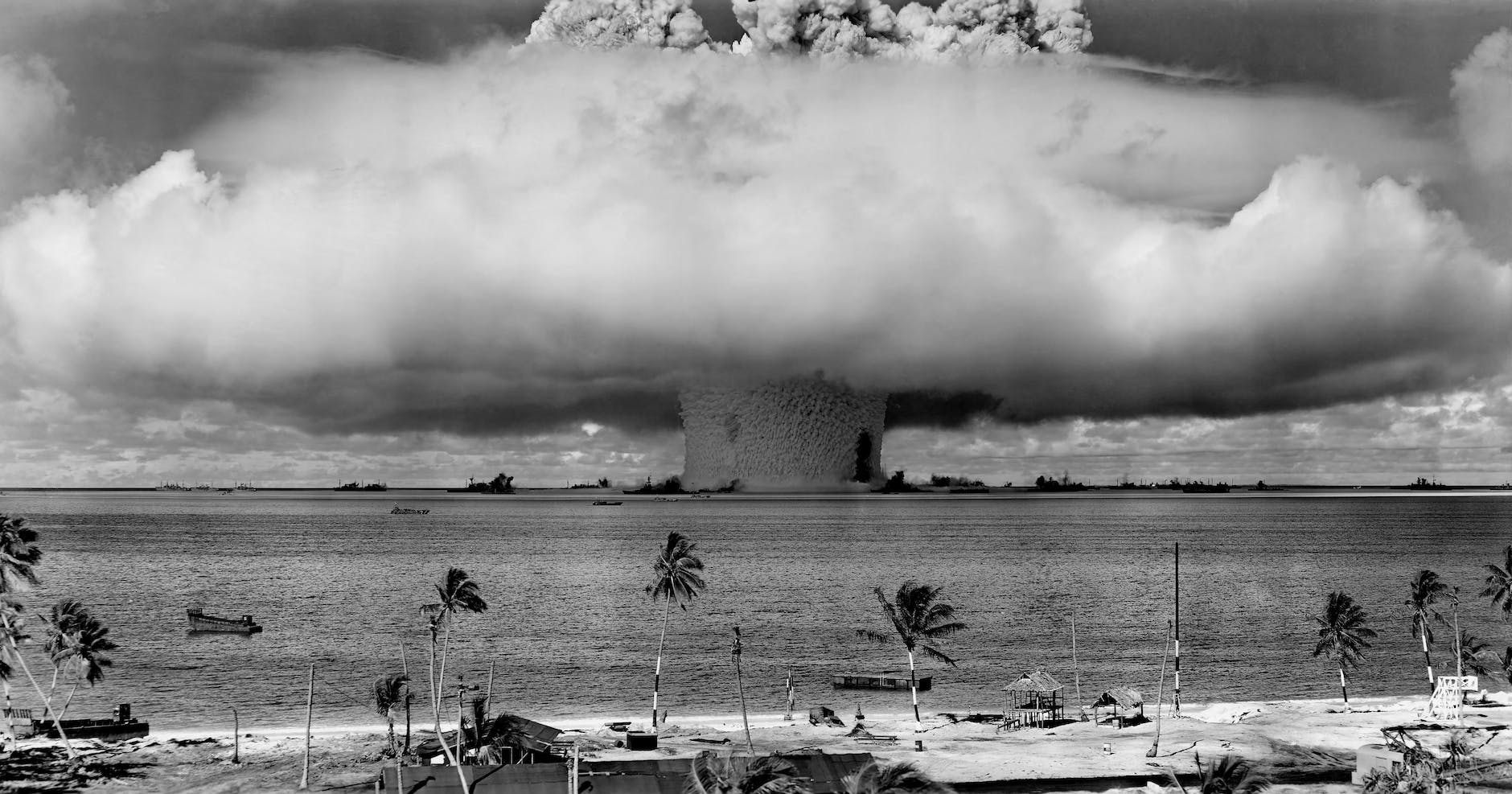
Another somewhat allied belief that cropped up in my mind is that we all feel like we’re living in the end times, the last days. That the world has gone to shit and we’re fucked. Those bombs in Japan affected generations of people globally. The threat of nuclear war, climate change, and other situations haunt us; we cannot escape them. My evangelical upbringing informed the majority of my “end of days” childhood mentality. So this dynamic is part of my identity whether I claim it or not.

 Rebecca Tolley