
One of my long-standing and favorite professional practices is reading books, reviewing them, and having those reviews published. I’ve dozens on my CV, and while I’m a full professor with no real need to continue “publishing” I can’t stop with the book reviewing because it’s so important as a professional practice.
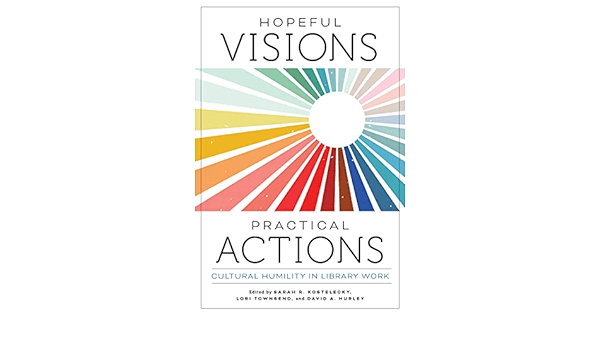
This month I reviewed Hopeful visions, practical actions: Cultural humility in library work for Public Services Quarterly. I’ve heard of cultural humility and cultural competence, but those are not the same thing.
And when I spoke at the Library Marketing Conference this month I mentioned ACRL’s cultural competence values as a way that the DEIA piece aligned with the sixth trauma-informed framework principle: cultural, historical, and gender issues, but actually regret doing that because now I’d change that to cultural humility. I’m not steeped in the ACRL framework like some college/university librarians are; just peripherally aware.

I learned from the book that cultural competence fails to analyze structural and institutional roles and hold them accountable for harm. Clearly, cultural humility promotes that essential component of structural and institutional accountability.
Cultural humility aligns perfectly with the sixth trauma-informed principle.
There are three or four main points to cultural humility:
- don’t be defensive
- recognize other pespectives
- practice critical self-reflection
- hold institutions accountable
Anyway, I’m excited that I know this concept and will incorporate it into my learning, practice, and presentations. While referencing the sixth principle I talk about things like segregated libraries in the Jim Crow South, Native American Boarding Schools and their deployment of education for cultural genocide, library buildings being named for white men (sometimes enslavers) as reasons why people mistrust institutions, including libraries. On a more positive note, I stress the way that libraries serve as sanctuary for LGBTQIA+, immigrants, the unhoused, etc.
 Rebecca Tolley